

Market Note · 3 min read
Abu Dhabi residential supply to 2030: what the delivery pipeline signals
Oakbrick CornerStone Realty ·
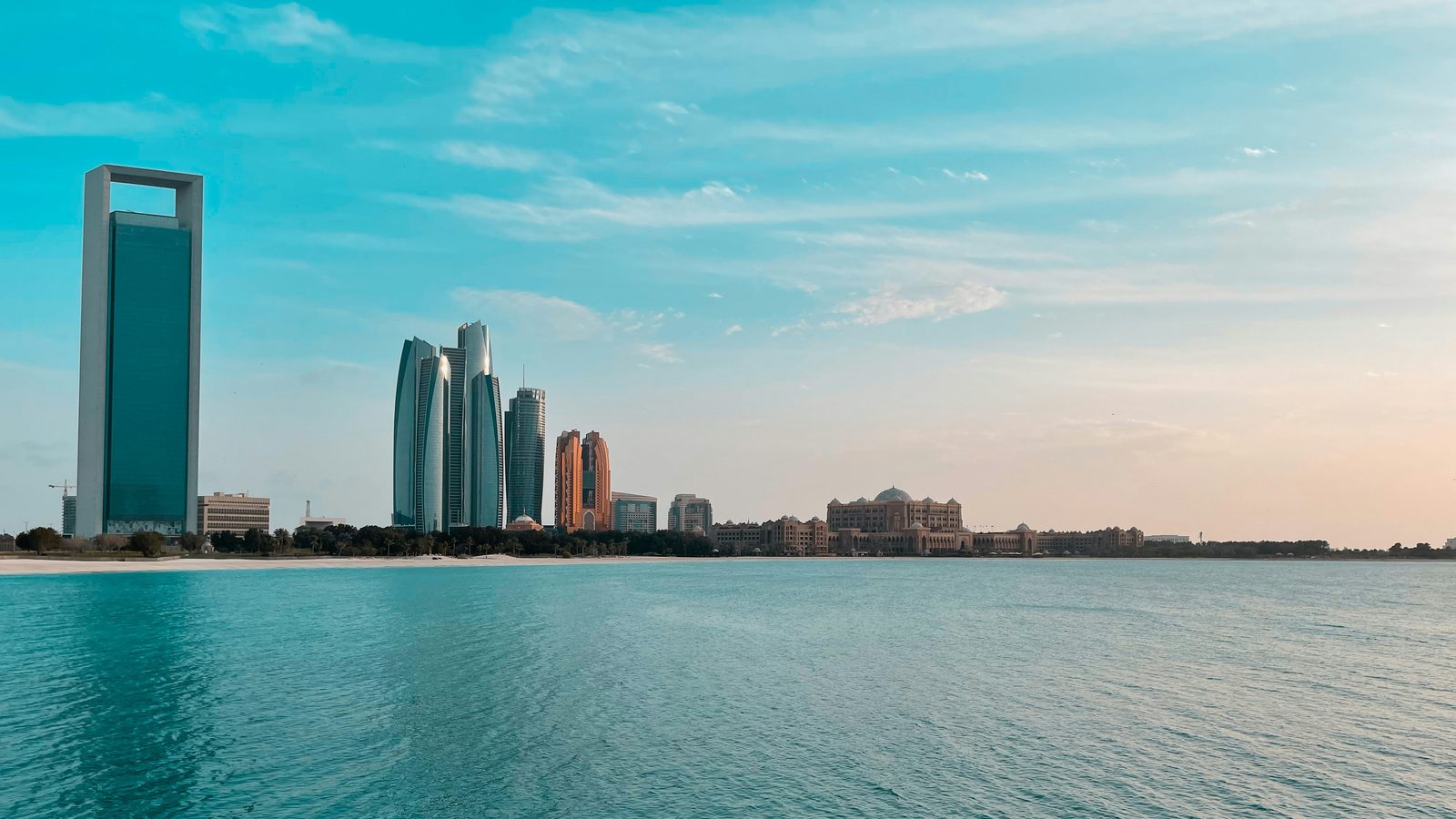
Abu Dhabi's regulator has put a figure on the emirate's building programme, and it is the shape of that figure rather than its size that merits attention. The Abu Dhabi Real Estate Centre reports around 71,000 additional residential units scheduled for delivery by 2030, set against existing stock of around 409,000 homes. Those deliveries are not spread evenly across the period: the reported peak falls in 2028, at around 21,800 units in a single year.
Supply is concentrated, not spread
Around 77 percent of the incremental supply is reported to sit within six districts: Saadiyat Island, Reem Island, Yas Island, Zayed City, Khalifa City and Hudayriyat Island. That concentration matters more than the headline total. A pipeline of this size is modest measured against the whole emirate, but a single district absorbing several thousand homes inside a short window faces rather different leasing and resale conditions from one that is largely built out.
Current leasing data points the other way for now. New lease prices are reported around 17 percent higher for apartments and around 9 percent higher for villas over the year.
Oakbrick's view
Two facts sit side by side: rents are firm today, and a scheduled delivery wave arrives in 2028. Which one governs depends entirely on holding period. For a buyer holding beyond the end of the decade, the pipeline is background. For one relying on rental growth across the next three to four years, timing at district level is the live question, and it is worth knowing what completes alongside the building you are considering. We would rather clients read the delivery schedule for their own district than the emirate average. Our Abu Dhabi market overview sets out how we frame that.
Source: Abu Dhabi Real Estate Centre and published market reports.